Ulrich Jung · 8 September 2026
Cable Infrastructure Developments Transforming Connectivity in Underserved Regions
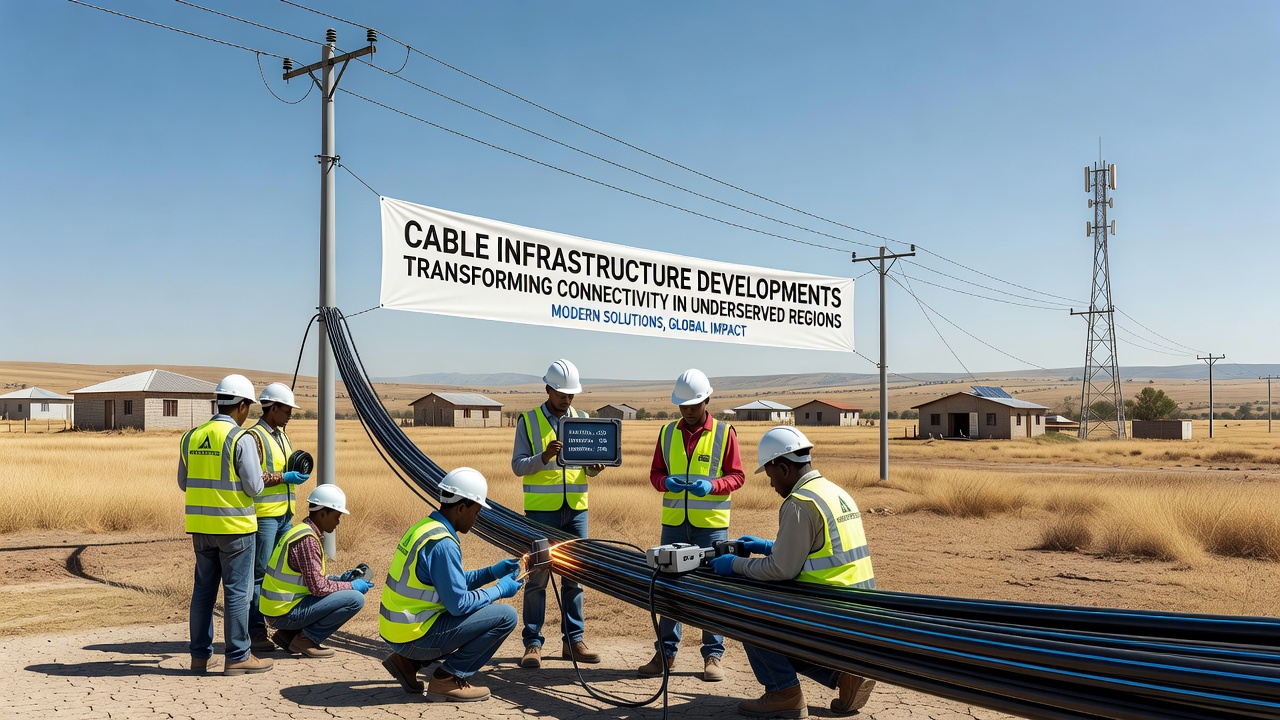
Underserved regions across multiple continents have seen cable infrastructure projects accelerate in recent years, with fiber optic networks and submarine cable systems extending high-speed connectivity to areas that previously relied on satellite or limited mobile signals. These developments involve laying thousands of kilometers of cable through challenging terrain while governments and private operators coordinate funding and permits. Data from regulatory filings shows that terrestrial fiber deployments in rural zones increased by measurable percentages between 2023 and 2025, driven by both public subsidies and private investment.
Expanding Submarine and Terrestrial Networks
Submarine cable projects have connected island nations and coastal underserved communities to global internet backbones, whereas terrestrial fiber lines now reach inland villages that once lacked reliable service. In September 2026 several systems are scheduled to complete final splicing and testing phases, which will add capacity for millions of potential users according to project timelines released by operators. Observers note that these cables often follow existing rights-of-way along roads and railways to reduce environmental disruption while maintaining signal integrity over long distances.
Researchers at institutions tracking global bandwidth report that new cable routes have lowered latency in previously isolated locations, enabling applications such as remote medical diagnostics and online education platforms. One study from an Australian research center examined connectivity improvements in outback communities after fiber reached several hundred kilometers of previously unserved track, revealing steady growth in data usage once speeds exceeded basic thresholds.
Regional Case Examples
Projects in parts of sub-Saharan Africa have combined submarine landings with inland fiber spurs, and similar patterns appear in mountainous regions of South America where operators partner with local utilities to share poles and trenches. Canadian regulatory documents describe how northern territories received cable extensions that replaced older microwave links, resulting in more stable connections for schools and health centers. Experts tracking these initiatives point out that permitting processes and community consultations often determine project timelines more than the physical cable laying itself.
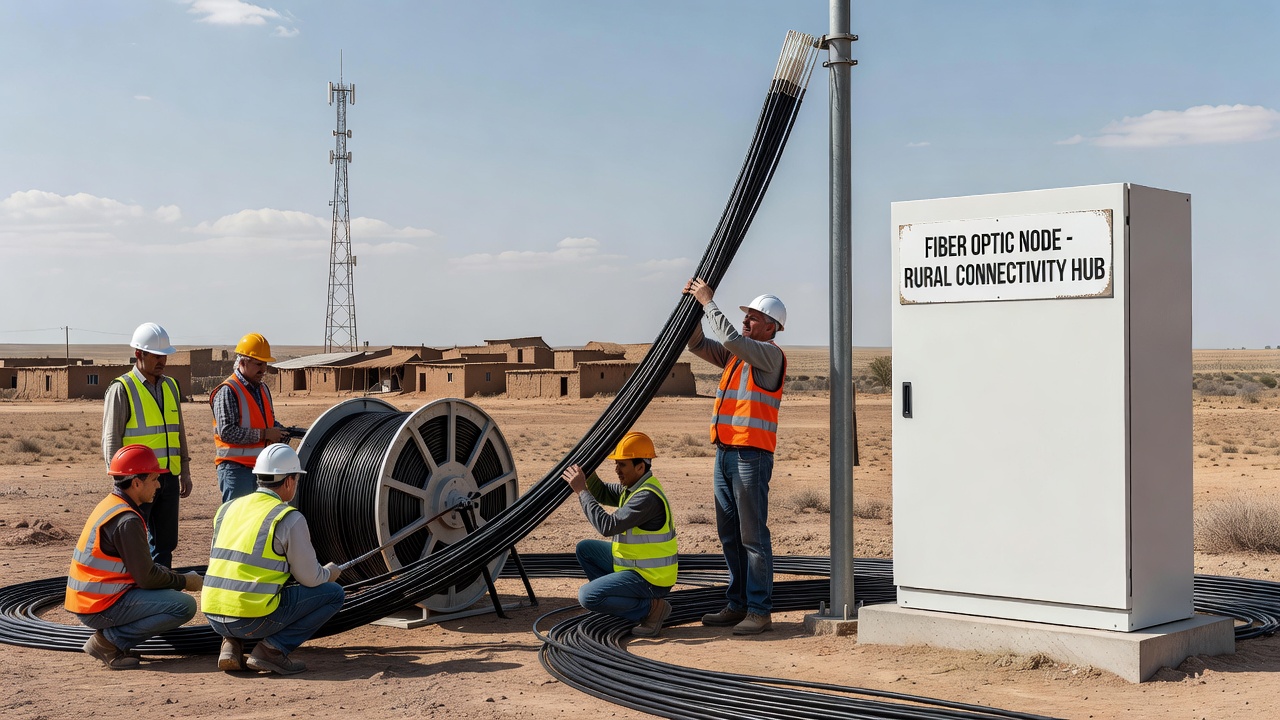
Take one deployment along the Pacific coast of Central America where a consortium completed a new cable segment in 2025, after which local internet service providers reported expanded coverage maps and increased subscription numbers within months. Figures released by the Federal Communications Commission document parallel progress in rural United States counties, where fiber projects supported by federal programs reached additional households during the same period.
Technical and Economic Factors
Cable designs now incorporate higher fiber counts and improved amplification to handle growing traffic demands, while installation crews use specialized equipment to navigate rivers, deserts, and permafrost zones. Economic analyses from international development organizations indicate that once cable infrastructure reaches a critical mass of users, per-user costs decline and additional services become viable. Yet maintenance remains an ongoing requirement, especially in areas prone to flooding or seismic activity that can damage buried or aerial lines.
Those who monitor network performance data observe that regions gaining cable access often experience secondary effects such as growth in local e-commerce activity and telemedicine adoption, although outcomes vary based on electricity reliability and digital literacy programs. A report prepared by European research partners examined several pilot sites and found measurable changes in household internet expenditure patterns after fiber became available as an alternative to satellite options.
Outlook Through Late 2026
Additional cable segments remain under construction, with completion dates clustered around the end of 2026, and regulatory bodies in multiple countries continue to review applications for new routes. International Telecommunication Union statistics show ongoing investment trends that support further expansion into remaining underserved pockets, while coordination between national agencies helps align standards for interconnection and spectrum use where wireless last-mile links extend from the main cable routes.
Conclusion
Cable infrastructure developments continue to alter connectivity patterns in underserved regions through a combination of submarine landings, terrestrial fiber builds, and supporting policy frameworks. Information compiled from operator reports and regulatory filings demonstrates consistent progress measured in kilometers of new cable and numbers of communities gaining access. As projects reach milestones in September 2026 and beyond, the focus among planners shifts toward sustaining performance and integrating these networks with emerging applications that require stable high-capacity links.